4 hr
Algarve Wine Tasting & Silves Village Tour from Lagos
Sample three regional wines with tapas at a working vineyard, plus free time in historic Silves
Reserve
Hand-picked by our editors — only the best 5 vineyard experiences from 23 reviewed.
Verified partners for every tour, free cancellation where available, and instant confirmation on every booking.
4 hr
Sample three regional wines with tapas at a working vineyard, plus free time in historic Silves
Reserve
3 hr 30 min
Savor estate wines paired with fresh tapas in a working vineyard, accompanied by traditional Portuguese melodies.
Reserve
7 hr
Explore medieval Silves, climb to Algarve's highest peak, and sample wine at a traditional quinta.
ReservePrices from verified partners. Availability updates in real time at checkout. Free cancellation policies apply where shown.
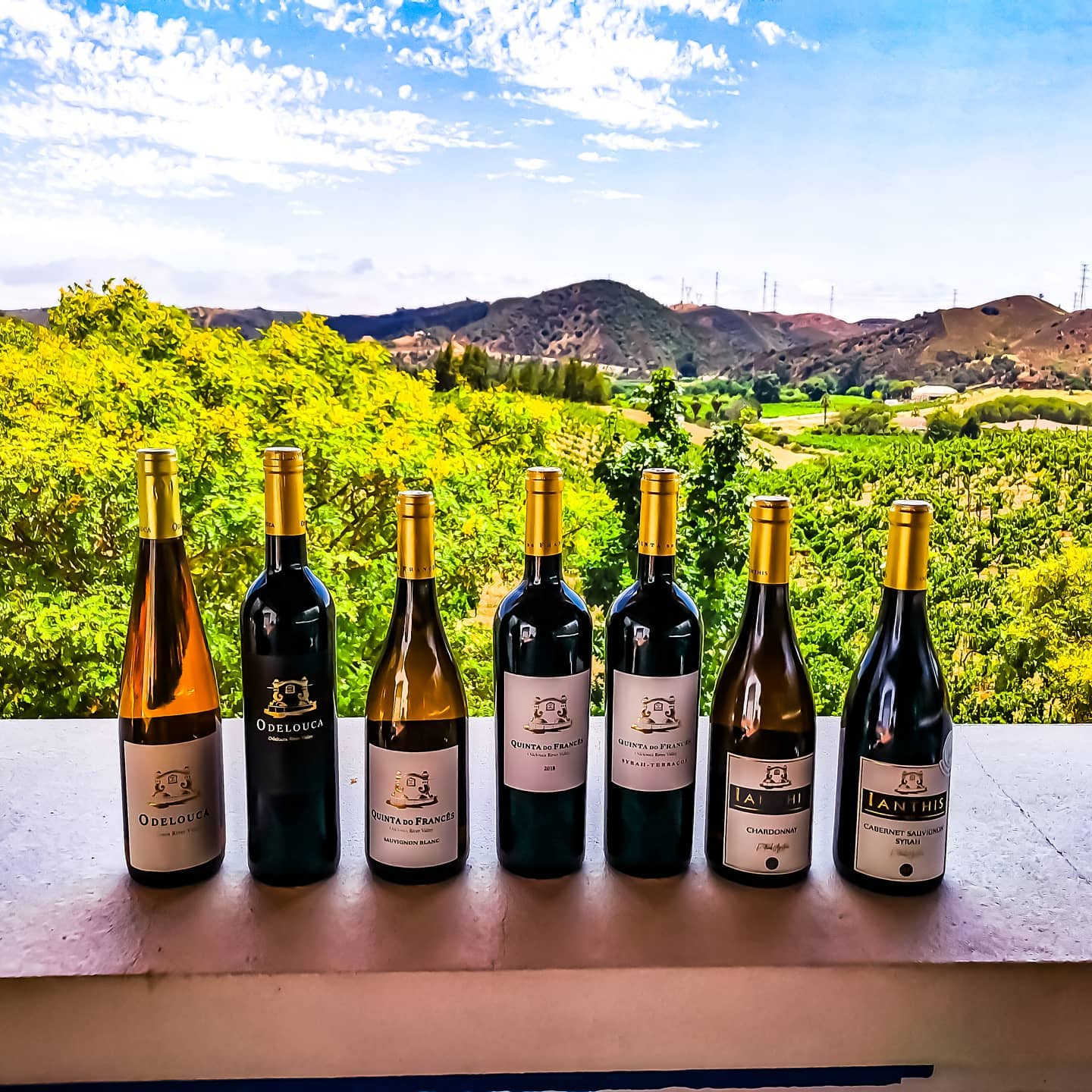
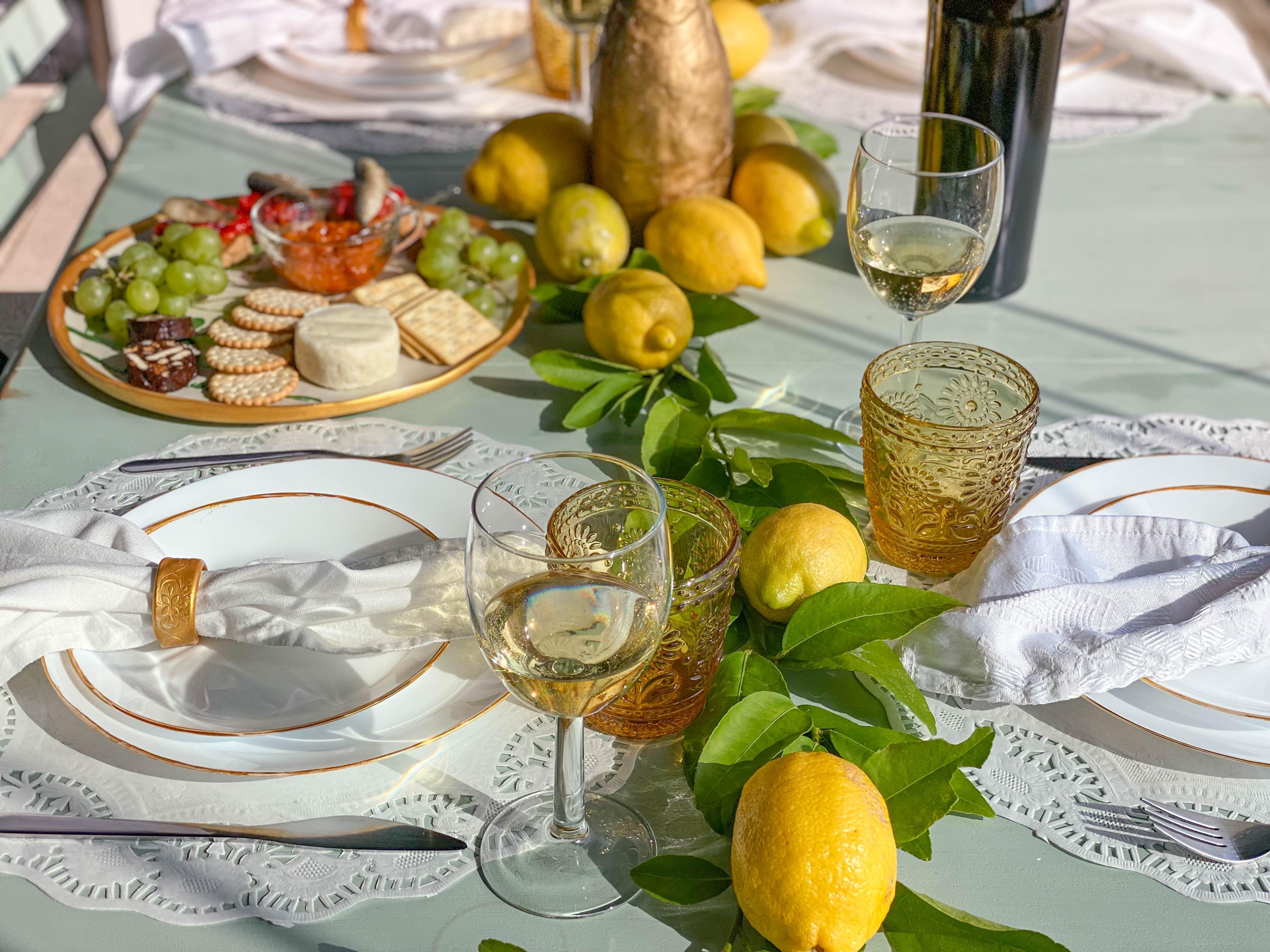
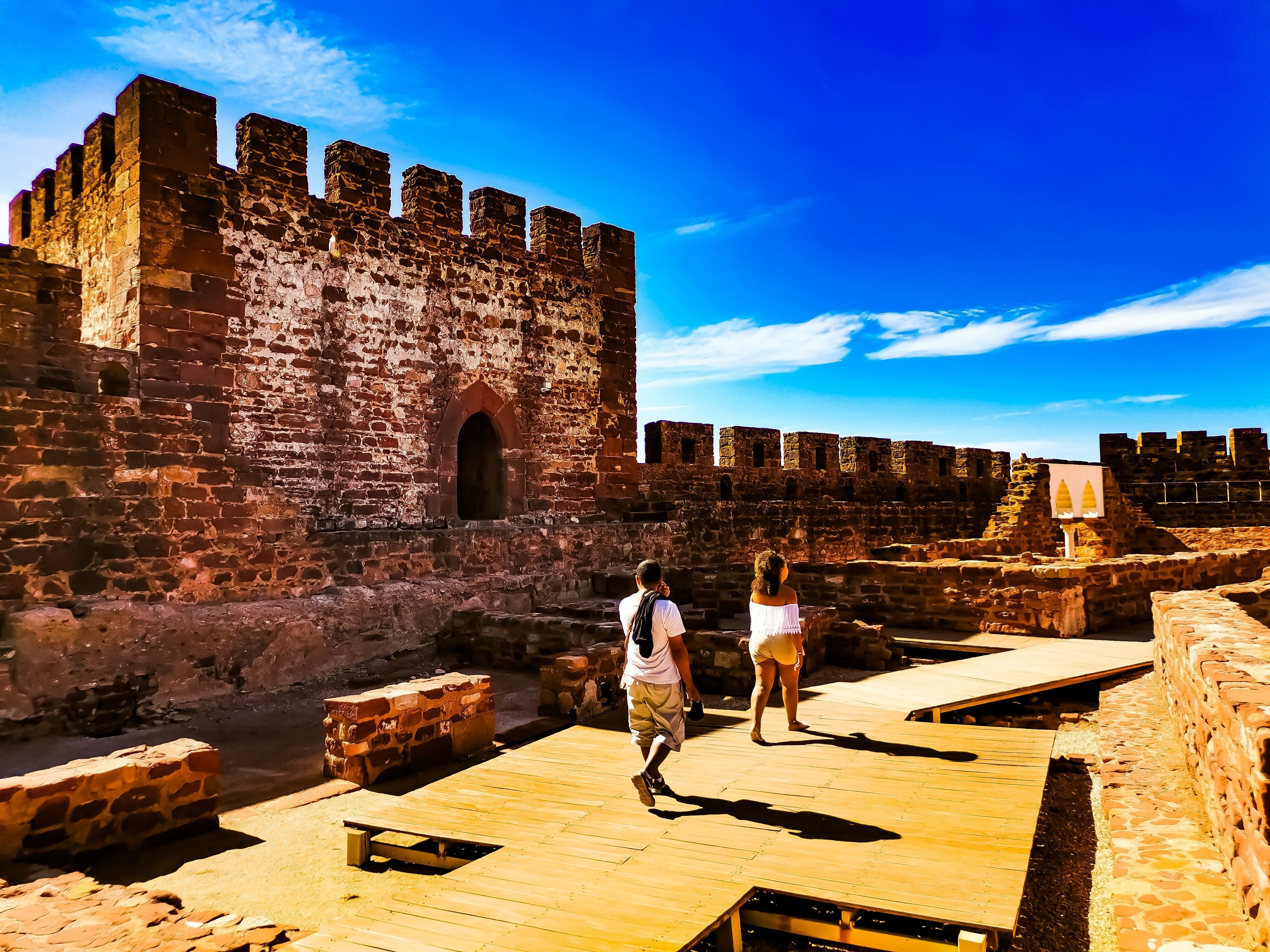
The landmarks, rooms, and views travelers on this tour remember — all visible on a single visit.
Wander through rows of local grape varieties unique to the Algarve region. These estates often feature over 50 years of agricultural history.
Observe the industrial tanks used for temperature-controlled aging. Many cellars maintain a constant 18 degrees Celsius for quality control.
Witness where premium vintages age in French and American oak. These rooms are crucial for the complex flavor profiles of the wine.
Enjoy views of the surrounding countryside while tasting local production. This area provides the perfect backdrop for your Lagos wine tasting tour photos.
Learn about the harvesting process directly from local vintners. This educational component adds depth to every Lagos wine tasting tour.
They complement each other; most visitors who do both call the coastal exploration the more adventurous option, while the lagos wine tasting tour provides a refined, relaxed retreat. Booking these lagos wine tasting tour tours allows travelers to balance active exploration of the coastline with appreciation for local viticulture.
| Feature | Top pick Lagos Wine Tasting Tour | Algarve Cave Boat Tour |
|---|---|---|
Core Focus |
Viticulture and terroir | Coastal geology and grottos |
Primary Senses Engaged |
Taste and smell | Sight and sound |
Physical Activity Level |
Low (seated) | Moderate (boarding and balancing) |
Optimal Group Size |
Small groups (2–8) | Medium groups (10–20) |
Weather Dependency |
Indoor/Outdoor flexible | High (sea state dependent) |
Cultural vs Natural Interest |
Cultural heritage | Natural formations |
| See tickets → |
Verdict: Choose the boat excursion for sea-level perspective on the limestone cliffs, or secure lagos wine tasting tour tickets for a deep dive into the region's agricultural harvest.
Choose your ticket, select your date, and reserve in under two minutes. Secure checkout handled by our verified partner.
Instant confirmation by email, with a mobile voucher you can save offline. No printing, no queuing at a collection desk.
Arrive at the entrance, show your voucher on your phone, and walk in. Most tickets include priority or skip-the-line access.
Practical details for your visit straight from our verified partners — hours, access, rules, and how to get there.
Lagos, Portugal
Primary hub for many departures
Rental vehicles provide the most flexibility for reaching vineyards.
Readily available in Lagos city center for direct transfers.
Casual and comfortable clothing is recommended for a Lagos wine tasting tour. Flat shoes are advised as vineyard terrain can be uneven.
Small personal bags are permitted on a Lagos wine tasting tour. Large luggage should be left at your accommodation as vehicle space is limited.
Photography is generally permitted throughout your Lagos wine tasting tour. Be respectful of private property and other guests during the visit.
Vineyard accessibility varies widely on a Lagos wine tasting tour. Please notify the operator of specific mobility needs before booking your Lagos wine tasting tour.
Mobile phones are permitted for photos and communication. Silence your device to ensure an enjoyable Lagos wine tasting tour experience for all participants.
Most vineyard tours cater to adults, though some family-friendly Lagos wine tasting tour operators allow children. Check age requirements on specific tour listings.
Complimentary water is often provided during a Lagos wine tasting tour. Additional food may be included depending on your chosen tour package.
Pets are generally not permitted on vineyard grounds or during a Lagos wine tasting tour. Service animals may be allowed with prior authorization.
The Lagos wine tasting tour involves walking through active production areas. Follow your guide's safety instructions at all times.
Best time to go, insider tips, nearby landmarks, and the cancellation fine print — flip through to skim what matters to you.
How crowds, weather, and events shift across the year.
Mild temperatures make this a pleasant time for a Lagos wine tasting tour.
Expect high temperatures during your August Lagos wine tasting tour visit.
Harvest season is a prime time for a wine tasting tour experience.
Cooler weather but vineyards remain open for private tours.
Small details that turn a good visit into a great one.
Drink plenty of water between wine samples during your Lagos wine tasting tour.
Vineyards offer little shade so wear high-SPF sunscreen.
Secure your Lagos wine tasting tour tickets early to ensure availability.
Arrange return travel before starting your Lagos wine tasting tour.
Inform operators of food allergies before your Lagos wine tasting tour begins.
Non-bookable sights within a short walk — free to visit, easy to pair.
Dramatic limestone cliff formations and sea caves.
Flexible, no hidden fees.
Full refunds are typically available for any Lagos wine tasting tour if cancelled at least 24 hours before the scheduled start time. Cancellations made within the 24-hour window may incur the full cost of the tour operator fees.
Hand-picked options within walking distance — pick a district for vibe, or a specific hotel for convenience.
Waterfront hotel near tour departure points.
The Algarve's wine country operates in the shadow of its coastline, a lattice of micro-estates tucked between cork oak forests and limestone ridges where Atlantic winds temper the Mediterranean heat. Vines were planted here during Roman occupation, though commercial viticulture arrived late — only in the 1980s did growers begin bottling under the Lagoa, Lagos, and Portimão denominations. Today the region produces fewer than two million bottles annually, a fraction of Douro or Alentejo output, yet the terroir is singular: schist and clay soils, sea-salt minerality, and indigenous varietals like Negra Mole and Crato Branco that thrive nowhere else in Portugal. A Lagos wine tasting tour typically routes inland through the Serra de Monchique foothills or northeast toward Silves, the medieval capital whose Moorish walls still overlook the valley. Estates range from century-old quintas with hand-pruned vines to modernist cellars equipped with temperature-controlled fermentation tanks. Most pair tastings with regional fare: presunto, queijo de cabra, fig preserves, and olive oil pressed within ten kilometres of the vineyard. The emphasis is on terroir expression rather than volume — winemakers here speak of microclimate zones the way Burgundians reference lieu-dit. Silves anchors many itineraries not only for its wine heritage but for its layered history. The red sandstone fortress dates to the eleventh century, when the city was a Moorish stronghold and intellectual centre. After Christian reconquest in 1249, the settlement declined as the Arade River silted and commerce shifted to the coast. Wine production persisted in the countryside, often tied to monastic estates, though industrialisation arrived only in recent decades. The contrast between Silves' stone streets and the sleek tasting rooms of contemporary estates underscores the region's dual identity: ancient agricultural tradition meeting modern oenological precision. The Algarve wine scene also intersects with Portugal's broader revival of indigenous grapes. Varietals dismissed as rustic during the twentieth century — Arinto, Trincadeira, Touriga Nacional grown at lower altitudes — are now celebrated for their adaptability to warming climates and mineral-rich soils. Many estates practice organic or biodynamic viticulture, a response both to export market demand and to the region's water scarcity. Tasting notes often reference wild herbs, sun-dried tomato, and garrigue, flavours drawn from the same scrubland that perfumes the hillsides between Lagos and the interior. Visitors booking a Lagos wine tasting tour in 2026 encounter a region still defining itself, where small production runs and family ownership shape the experience. Unlike the Douro's quincentennial port houses, Algarve wineries operate on a human scale: the winemaker often pours the glass, the vineyard tour is a walk through rows the guide pruned by hand, and the cellar is a converted barn rather than a UNESCO monument. That intimacy, paired with the landscape's beauty and the proximity to Lagos' beaches, makes the experience feel less like industrial tourism and more like an invitation into a working farm.

"The terroir is singular: schist and clay soils, sea-salt minerality, and indigenous varietals that thrive nowhere else in Portugal."
A step-by-step walkthrough of the visit — what you'll see, how long each stage takes, and the details that matter.
You depart Lagos mid-morning, the van climbing away from the coast as whitewashed villas give way to olive groves and the first terraced vineyards. The guide points out cork oak harvests, the stripped trunks glowing rust-red in the August light. Thirty minutes inland you reach the first estate, a quinta where Negra Mole vines cascade down a south-facing slope. The winemaker greets you in the cellar, a stone-walled room cooled by the hillside itself, and pours three wines: a crisp Arinto, a rosé with strawberry and thyme notes, and a red that tastes of sun-warmed earth. Tapas follow — presunto draped over melon, aged goat cheese, olive oil you dip with bread still warm from the oven. You step outside to the terrace, where rows of vines stretch toward the Monchique peaks and the air smells of wild rosemary. Some tours continue to Silves, where you walk the ramparts of the medieval fortress before a second tasting at a modernist winery with floor-to-ceiling glass overlooking the valley. Others include live fado in a village tavern, the music threading through the late afternoon as you sip a final glass of reserve red, the tannins softening on your palate as the light turns amber over the hills.
A Lagos wine tasting tour operates daily between 00:00–23:59. Specific vineyard visit times depend on your chosen tour slot.
Accessibility varies; check with your specific Lagos wine tasting tour operator regarding terrain.
Yes, securing Lagos wine tasting tour tickets early is highly recommended. Tours have limited group sizes.
Generally no, as tastings often include light pairings. Check your Lagos wine tasting tour booking details.
Yes, participants must be of legal drinking age for a Lagos wine tasting tour. Children may be allowed depending on the provider.
Most operators provide pick-up points in Lagos. If self-driving, follow directions provided for your Lagos wine tasting tour.
Yes, you are encouraged to take photos during your Lagos wine tasting tour. Be respectful of the staff and other guests.
You can typically receive a full refund if you cancel your Lagos wine tasting tour at least 24 hours before the event.
Bring sunscreen, a hat, and your ID for your Lagos wine tasting tour. Comfortable footwear is also essential.